The Power of Habit
Building Positive Routines
Habits are like the invisible rules that guide our daily lives. Whether it’s brushing our teeth, checking our phones as soon as we wake up, or heading to the gym after school, our days are filled with routines. Habits can be super powerful—they can either help us grow or hold us back, depending on how we use them. If we understand how habits work and focus on creating positive ones, we can improve our health, productivity, and overall happiness.

Behind Habits
Every habit is built on a simple loop made up of three parts: the cue, the routine, and the reward. Charles Duhigg talks about this in his book The Power of Habit. Here’s how it works: the cue is what triggers the habit, the routine is the habit itself, and the reward is what you get out of it.
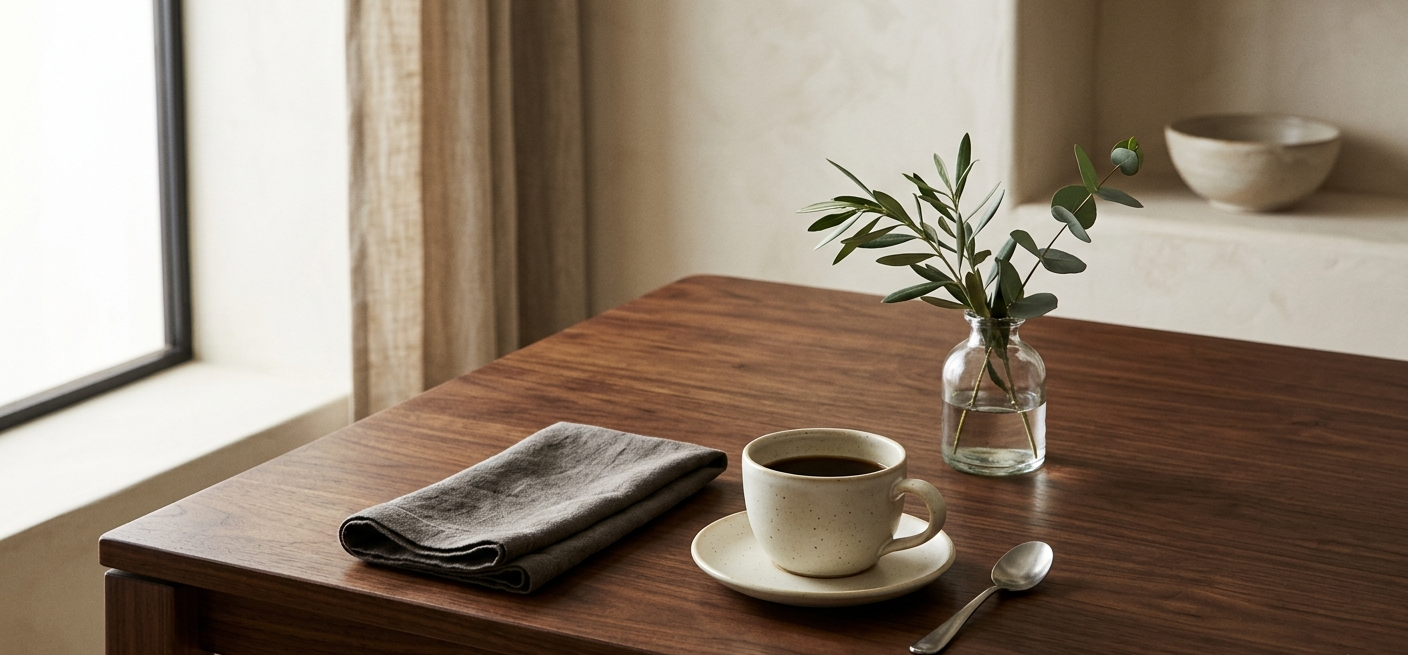
Take a common habit like drinking coffee every morning. The cue might be waking up, the routine is making and drinking coffee, and the reward is feeling awake and ready to start your day. Over time, this loop gets so ingrained in our brains that the habit becomes almost automatic.
Why Positive Habits Matter
Positive habits are the building blocks of a good life. We set ourselves up for success when we create healthy, productive routines. For example, habits like regular exercise, eating a balanced diet, and getting enough sleep are key to staying healthy. On the other hand, habits like setting daily goals, writing in a journal, or practicing mindfulness can boost our mental health and make us more productive.
The cool thing about positive habits is that they build up over time. Small, good actions repeated regularly can lead to big improvements. You might’ve heard that success is just the result of small efforts repeated over and over—that’s true, whether we’re talking about health, school, or any other part of life.
How to Build Positive Habits
- Start Small: The key to building a new habit is to start small. If you try to change everything at once, it’s easy to get overwhelmed and give up. Focus on one habit at a time. For example, if you want to start exercising regularly, begin with just five minutes a day. You can gradually increase the time as the habit sticks.
- Identify Triggers: Knowing what triggers your habits is super important. Figure out what cues lead to your current habits, whether they’re good or bad. If you want to start a new habit, try pairing it with one you already have. For instance, if you want to start meditating, do it right after brushing your teeth in the morning.
- Create a Routine: Make a clear plan for your new habit. Make it as easy as possible to do by getting rid of obstacles and being prepared. If your goal is to eat healthier, plan your meals ahead of time and keep healthy snacks close by.
- Focus on the Reward: Every habit has some kind of reward, whether it’s immediate or something you see later on. Focus on the good things that come from your new habit to help it stick. If your new habit is exercising, the reward might be the good feeling after a workout, the sense of accomplishment, or the long-term health benefits.
- Be Patient and Persistent: Building a new habit takes time and consistency. It’s easy to get discouraged if you don’t see results right away, but you’ve got to stick with it. Research shows it can take anywhere from 21 to 66 days to form a new habit, depending on how complicated it is.
Overcome Challenges
Even when you’re trying your best, building new habits can be tough. Life happens, and it’s easy to slip back into old routines. When setbacks happen, don’t give up. Remember that failure is part of the process. Think about what went wrong, adjust your plan, and keep going.
Having someone to hold you accountable can also help a lot. Share your goals with a friend or join a group with similar goals. Having someone to check in with can give you the motivation and support you need to stay on track.
The Long-Term Impact of Positive Habits
The real power of habits is in how they shape who we are over time. When we keep up with positive routines, we start to see ourselves differently. Someone who works out regularly eats healthy, and practices mindfulness will likely see themselves as a healthy and disciplined person. This new way of seeing yourself makes your habits even stronger.
In the long run, positive habits lead to a more fulfilling and balanced life. They help you feel more in control, reduce stress, and contribute to overall well-being. By understanding the power of habits and working to build positive ones, we can create the life we want, one small step at a time.
Conclusion
The power of habit is one of the strongest forces in our lives. By recognizing the habits that shape our daily routines and making an effort to build positive ones, we can reach our full potential. Whether it’s getting healthier, being more productive, or improving our mental health, the right habits can make all the difference. Start small, be consistent, and watch how your positive routines lead to lasting change.
You got this!!
Everyone starts somewhere so start today!